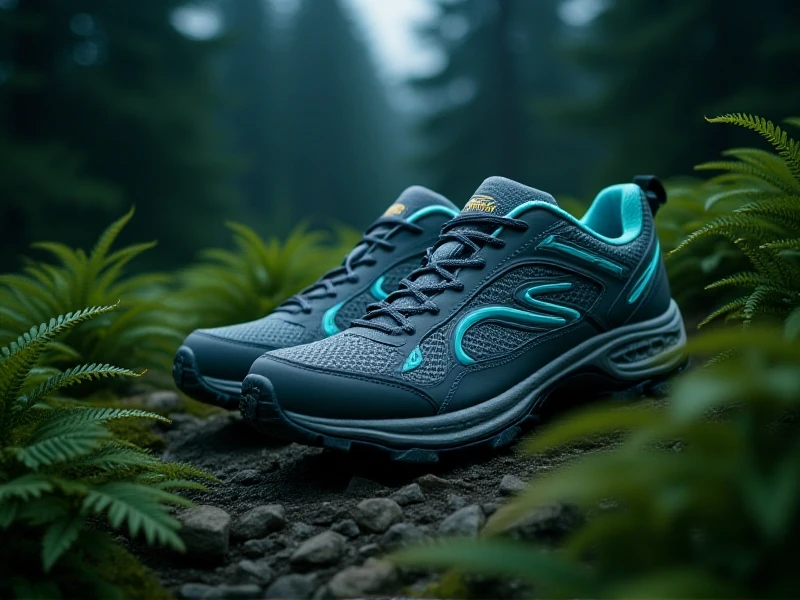
Your Complete Guide to Choosing The Best Hiking Shoes for the Trail
Hitting the trails? Don't underestimate the power of your foundation – your hiking shoes. Choosing the right footwear isn't just about comfort; it's essential for safety, performance, and truly enjoying the journey. Whether you're tackling gentle nature paths or rugged mountain terrain, the perfect pair makes all the difference. This guide breaks down what you need to know.
1. Fit is King (and Queen!): Above all else, your hiking shoes MUST fit impeccably. Your feet swell during activity. Prioritize trying shoes on in the afternoon with the hiking socks you intend to wear. Ensure ample toe room (about a thumbnail's width ahead of your longest toe) to prevent downhill pressure. Your heel should feel secure with minimal lift. Don't settle for discomfort; blisters ruin any hike.
2. Support Matters:
- Low-Cut: Offer maximum flexibility and are lighter, ideal for well-maintained trails, light packs, and day hikes where agility is key. These hiking shoes often feel similar to sturdy sneakers.
- Mid-Cut: Extend over the ankle bone, providing crucial stability on uneven ground, reducing twisting risks, and offering excellent support for moderate hikes with a backpack.
- High-Cut (Boots): Deliver maximum ankle support and protection for heavy loads, technical terrain, rough trails, or longer backpacking trips, though often heavier.
3. Traction & Outsoles: Look for deep, multi-directional lugs made from durable rubber compounds. Vibram outsoles are renowned for longevity and grip, but other brands offer excellent traction too. The lug pattern should efficiently shed mud and grip diverse surfaces – rock, dirt, roots. Good hiking shoes prevent slips and slides.
4. Materials & Durability:
- Leather (Especially Full-Grain): Highly durable, water-resistant, and offers great support. Requires some break-in time and can be heavier/less breathable.
- Synthetic (Nylon/Mesh): Lightweight, breathable, quick-drying, and require minimal break-in. Excellent for warm weather. Durability might be slightly less than full leather.
- Hybrids: Combining leather and synthetic offers a sweet spot – support and breathability. Waterproof membranes (GORE-TEX®) add protection from wet conditions but reduce breathability slightly.
5. Cushioning & Protection: Adequate midsoles made of EVA or polyurethane absorb shock and protect your feet from rocks. Sturdy toe caps shield against bumps. Find a balance that absorbs impact without feeling unstable.
Key Buying Tips:
- Terrain & Load: Match the shoe to your most common trails and pack weight.
- Waterproofing: Essential for wet/cold climates? Adds weight/bulk. Consider breathable non-WP for dry/hot trails.
- Break Them In: Never wear brand-new hiking shoes on a major hike. Walk several miles on varied terrain first.
- Renew Grip: Replace your hiking shoes when the midsole compresses noticeably or tread wear significantly reduces grip.
The Right Choice Elevates Your Hike: Investing time in finding the perfect hiking shoes is investing in every future adventure. Prioritizing fit, support, traction, and materials suited to your specific needs ensures your feet stay happy, safe, and ready for miles of trail magic. Happy hiking!