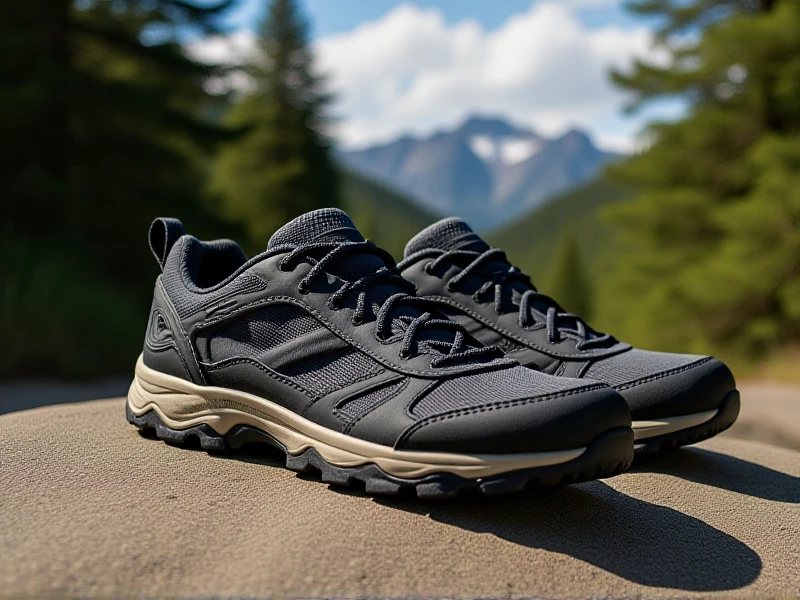
Your Ultimate Guide to Finding the Perfect Hiking Shoes
Embarking on a hike promises fresh air, stunning views, and a connection with nature. But nothing ruins that faster than painful, ill-fitting, or slippery footwear. Choosing the right hiking shoes is absolutely fundamental for safety, comfort, and ultimately, enjoying your adventure.
Forget aesthetics as the top priority. Performance reigns supreme. Start by considering the terrain and distance you typically tackle. Are you sticking to well-maintained trails? Venturing onto rocky scrambles? Planning multi-day backpacking trips?
1. Fit & Function: The Non-Negotiables
- Fit is Paramount: Never buy based solely on size. Try shoes on later in the day when feet are slightly swollen, wearing the socks you hike in. Allow about a thumbnail's width of space at the end to prevent toes jamming downhill. Your heel should be snug, not slipping. Walk on an incline and decline, if possible, to test for hotspots.
- Support & Stability: Depending on your ankle strength and load, you'll choose between low-cut hikes (lightweight, flexible), mid-cut (more ankle support), or high-cut boots (maximum ankle support and load carrying, better for rough terrain). Ensure the sole feels stable and doesn't twist easily.
- Traction & Grip: The outsole is your connection to the earth. Look for deep, aggressive multi-directional lugs made from durable rubber (like Vibram®). Good lug design sheds mud and grips effectively on varied surfaces – rock, dirt, wet roots. This is crucial for preventing slips.
- Protection & Comfort: A rock plate in the midsole shields your feet from sharp protrusions. Adequate cushioning absorbs impact, especially important on long descents.
2. Materials Matter
- Waterproofing: Hiking shoes with a waterproof, breathable membrane (like Gore-Tex®) are essential for wet climates, dew-covered grass, or stream crossings. They keep feet dry, preventing blisters and discomfort. In hot, dry conditions, non-waterproof, mesh-heavy shoes offer better breathability and cool down faster.
- Upper Construction: Leather offers durability and natural water resistance but requires more breaking in. Synthetic materials (mesh, nylon) are lighter, dry faster, and usually more affordable. Abrasion-resistant overlays add durability where you need it most.
3. Proper Care = Long Life & Performance Even the best hiking shoes need care. Clean off dirt and mud after each hike. Let them air dry naturally, away from direct heat. Periodically apply appropriate conditioners to leather or use specialized cleaners for synthetics. Proper care prevents materials from drying out and cracking, maintaining waterproofness and extending the shoe's lifespan.
Making Your Choice Investing time in finding your ideal hiking shoes pays dividends. Prioritize fit and protection above all else. Visit a reputable outdoor retailer with knowledgeable staff who can properly assess your fit and recommend options based on your intended use. Don't hesitate to try on multiple brands and models – there’s no one-size-fits-all in the hiking world.
Unlock the trails safely and in comfort with footwear designed for the journey. The right hiking shoes are your foundation for countless miles of trail memories. Get out there!